
Request an Appointment
Can Braces Fix TMJ?

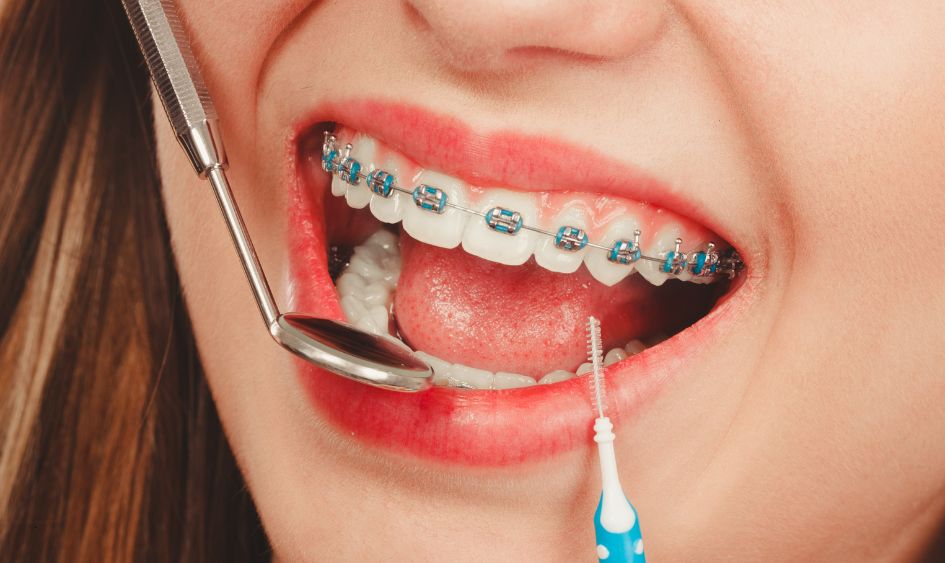
Temporomandibular joint (TMJ) dysfunction, often referred to as TMJ or TMJ disorder, is a condition affecting the jaw joint and surrounding muscles. Symptoms can include pain, clicking or popping sounds in the jaw, difficulty chewing, and headaches. While the exact cause of TMJ dysfunction can vary, misalignment of the teeth or jaw can be a contributing factor. This begs the question: can braces fix TMJ?
This blog delves into the connection between TMJ and braces, exploring how braces can potentially help alleviate some TMJ symptoms.
TMJ Dysfunction: Understanding the Symptoms
TMJ dysfunction can manifest through a variety of symptoms, including:
- Pain in the jaw joint or surrounding muscles
- When opening or closing the mouth, the jaw makes clicking or popping sounds
- Difficulty chewing or limited jaw mobility
- Facial pain or headaches
- Earaches or tinnitus (ringing in the ears)
The severity of these symptoms varies widely between individuals. While TMJ dysfunction can be a source of discomfort and affect daily life, it’s important to note that not everyone with misaligned teeth will experience TMJ issues.
The Link Between TMJ and Braces: Can Braces Help?
Braces are a typical orthodontic procedure that corrects mismatched teeth. While their primary function is to straighten teeth and improve your smile, braces can also potentially benefit individuals experiencing TMJ dysfunction if the misalignment of the teeth contributes to the issue. Here’s how:
- Improved Bite Alignment: Braces work by gradually shifting teeth into their ideal positions. This process can improve your bite, ensuring your upper and lower teeth meet correctly. A misaligned bite can put strain on the jaw joint, and braces can help alleviate this by creating a more balanced bite.
- Reduced Stress on the Jaw Joint: By correcting misalignment and improving jaw function, braces can potentially reduce stress and strain on the TMJ joint, leading to a decrease in pain and discomfort.
- Supporting Other Treatments: Braces can sometimes be used in conjunction with other TMJ treatments, such as physical therapy or mouth guards, to provide a more comprehensive approach to managing the condition.
Braces for TMJ: Not a Guaranteed Fix
It’s important to understand that braces are not a guaranteed solution for TMJ dysfunction. While they can be helpful in some cases, especially if misalignment is a contributing factor, they won’t necessarily cure TMJ altogether. Here’s why:
- TMJ Causes Can Vary: There are many potential causes of TMJ dysfunction beyond misaligned teeth, such as arthritis, injury, and stress. Addressing the root cause is crucial for effective treatment.
- Individual Response: Not everyone with TMJ and misaligned teeth will experience improvement with braces. The effectiveness of braces for TMJ depends on the severity of the TMJ dysfunction and the cause of the misalignment.
Consulting Your Orthodontist in Colorado Springs:
If you’re experiencing TMJ symptoms, consulting your orthodontist is the first step. They will conduct a thorough examination to diagnose the cause of your TMJ and determine the most appropriate treatment approach. Here’s what to expect:
- Examination and Diagnosis: Your orthodontist will examine your jaw joint, teeth, and overall bite to assess your TMJ and its potential connection to any misalignment.
- Treatment Options: Based on the diagnosis, your orthodontist will discuss potential treatment options, which might include braces, physical therapy, mouth guards, medication, or a combination of these.
- Braces as Part of a Treatment Plan: If braces are deemed a suitable option as part of your TMJ treatment plan, your orthodontist will explain the process, expected results, and potential limitations.
Remember, early diagnosis and treatment of TMJ dysfunction are essential for managing symptoms and preventing long-term complications. Working collaboratively with your orthodontist allows you to explore all available options and create a personalized treatment plan to address your TMJ and achieve optimal oral health.